Start with the user count
Record the number of residents, guests, employees, patients, students, or other users served. For buildings with changing occupancy, consider both normal and peak conditions so the system is not undersized during busy periods or oversized during low use.
Understand water-use patterns
Estimate daily water use, operating hours, peak periods, and the schedule of major activities. Hotels, hospitals, restaurants, housing areas, and public facilities can have different flow patterns even with the same user count.
Separate wastewater sources
Identify toilets, bathrooms, laundry, pantries, kitchens, production areas, and other sources connected to the system. Rainwater, cooling water, and process chemicals should not automatically be mixed with domestic wastewater without technical review because they can change the load and wastewater characteristics.
Account for peak flow
In addition to average volume, consider surges during meal periods, shift changes, hotel check-in, laundry activity, or special events. Water-meter data, operating records, or an on-site flow measurement can make the estimate more reliable than a rough assumption.
Match capacity to the process
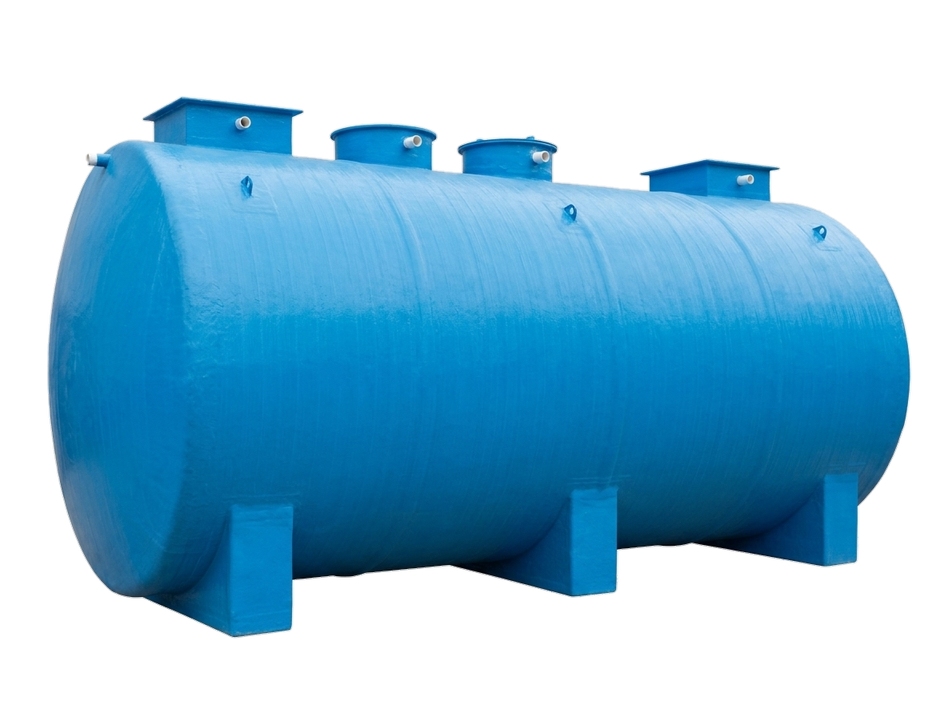
Tank volume alone does not determine treatment performance. Retention time, organic load, anaerobic or aerobic stages, blower and pump requirements, and the target effluent quality should be reviewed together. Communal IPAL and STP should therefore be assessed as complete systems, not just chamber sizes.
Check the site and future expansion
Measure the area, inlet and outlet elevations, delivery access, power points, inspection space, and discharge location. If the building may expand or occupancy is expected to increase, share that plan early so the configuration and expansion space can be considered.
Data to send
Prepare plans, user count, activities, water use, operating hours, estimated flow, wastewater test results if available, site dimensions, access photos, and the target installation date. Complete data helps the team provide a more measurable recommendation and explain the assumptions used.
Review with the technical team
Use the calculation as a discussion basis, not as a substitute for a site survey or technical design. The project team, consultant, and operations representative should agree on capacity, process, location, power, maintenance, and applicable requirements before fabrication.
Have a technical question about your project?
Consult via WhatsApp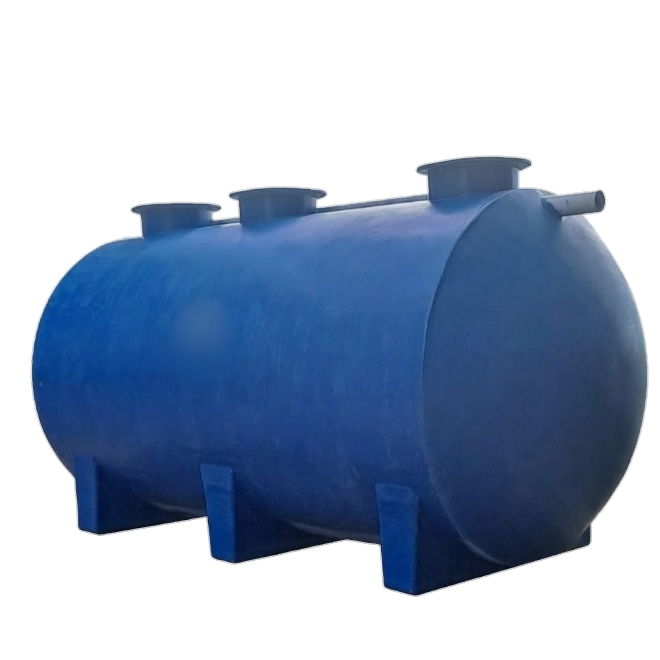 Communal IPAL
 Anaerobic & Aerobic STP