Before the tank is delivered
Confirm the configuration drawing, dimensions, connection positions, accessories, panel count, project address, schedule, and responsible contact. Check that the access route, lifting equipment, temporary storage area, and assembly space are ready before the materials arrive.
Foundation and support
The support must be level, stable, and able to carry the tank and liquid when full. For a roof tank or special platform, the structure should be checked by the responsible qualified party. Do not rely on joint seals to compensate for an uneven, cracked, or settling foundation.
Panel and material handling
Store panels in a dry, level area protected from impact. Use suitable lifting equipment and handling methods so panels, flanges, seals, and accessories are not scratched or deformed. Inspect every item before installation and set aside anything that needs confirmation.
Coordinate inlet and outlet connections
Match the inlet, outlet, overflow, drain, vent, manhole, and level indicator positions with the site piping drawings. Allow space for valves, flexible connections where needed, operator access, and the correct flow direction. Changing connections after assembly can add time and installation risk.
For rooftop installation
Confirm the panel route to the roof, waterproofing protection, guardrails or safe access, structural load, wind, overflow drainage, and maintenance plan. The tank must not block escape routes or access to other building equipment.
For chemical liquids
Recheck chemical compatibility, concentration, temperature, gaskets, valves, piping, ventilation, labels, spill containment, and emergency procedures. Chemical tank installation should be coordinated with the process and HSE leads, not only the mechanical team.
Filling and commissioning
After assembly, inspect all joints, manholes, seals, supports, piping, drain, overflow, and level indicators. Fill gradually while monitoring seepage, movement, the support condition, and pump or float operation. Do not fill completely before the initial checks are complete.
Handover and maintenance
Hand over the final drawing, component list, valve positions, capacity, filling and draining procedures, inspection schedule, and service contact to the operator. Explain operating limits, cleaning methods, and signs that should be reported quickly so small problems do not become major damage.
Have a technical question about your project?
Consult via WhatsApp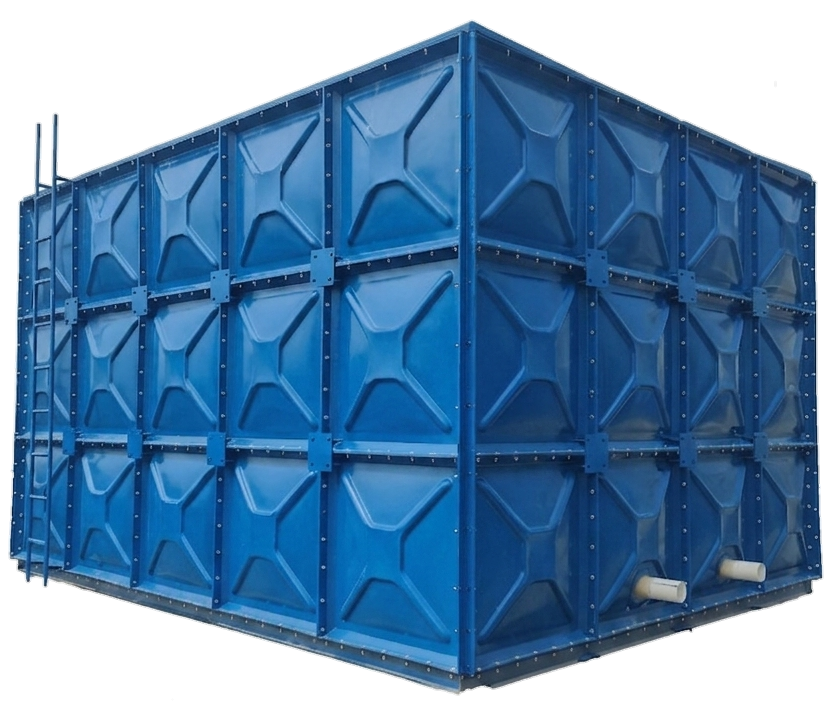 Panel Tank / Roof Tank
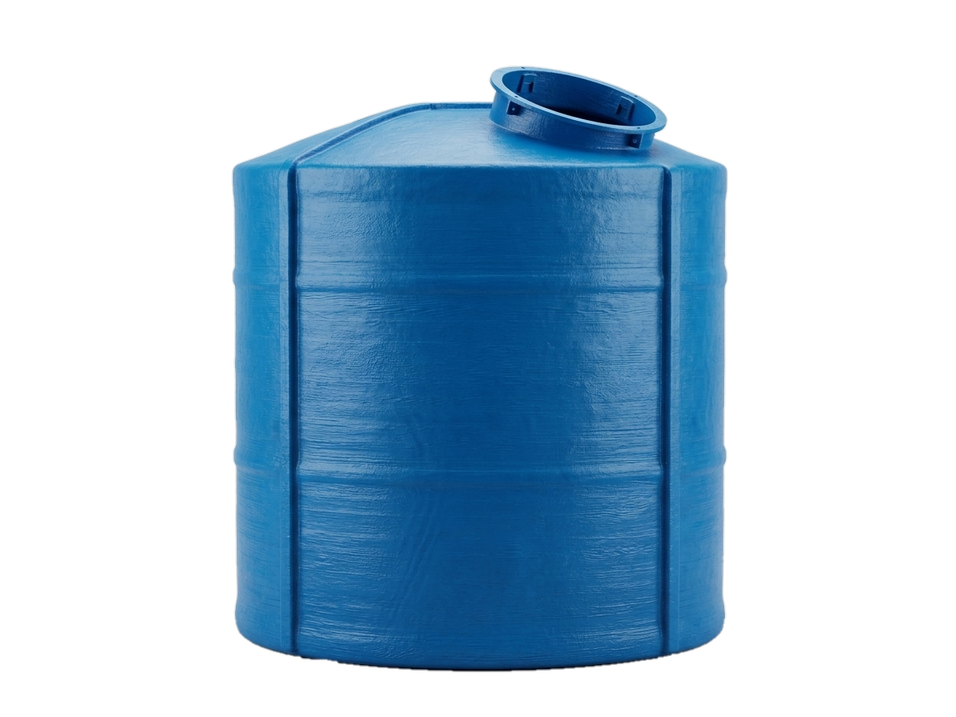 Chemical Storage Tank