What does a grease trap do?
A grease trap separates fats, oils, and some solids from kitchen wastewater before the flow enters the drain or the next treatment stage. It helps reduce deposits and blockage risk, but it is not a replacement for complete wastewater treatment.
How it works
As water enters the grease trap, the flow slows down so fats and oils can collect while water moves toward the outlet. Performance is affected by flow, temperature, solids, baffle design, and cleaning discipline. Food scraps should be screened first so they do not overload the unit.
Sizing for a kitchen
Do not size the unit only from the number of sinks. Prepare the number of sinks and floor drains, operating hours, meal or user count, water volume, menu type, oil usage, and peak flow. Restaurants, hotels, canteens, food courts, and catering kitchens can have different grease loads, so capacity should be reviewed with the project data.
Location and pipe routing
Place the grease trap as close as practical to the grease source and where it can be opened easily for cleaning. Avoid routing rainwater or unsuitable wastewater into the unit. Consider pipe slope, inlet and outlet direction, venting, covers, and access for removing collected waste.
FRP grease trap products
Mitra Tangki FRP grease traps use a thick-walled, corrosion-resistant, sturdy construction. Box or capsule models can be considered based on space, flow, installation access, and cleaning needs—not only on appearance.
Cleaning and records
Check the grease layer regularly and clean the unit before the collection space becomes too full. The actual schedule depends on kitchen load; record dates, the amount removed, baffle condition, and any odor or slow-drain complaints. Collected waste should be handled according to the local operator’s procedure and not returned to the drain.
Signs the unit needs attention
Slow flow, strong odors, grease passing the outlet, pooling in the kitchen, or unusually frequent cleaning can indicate that the size, pipe routing, baffles, or maintenance schedule needs review. Identify the cause before simply increasing pumping frequency.
Consultation checklist
Share the business type, meal or user count, operating hours, number and size of discharge points, estimated flow, oil or grease type, site photos, available space, and cleaning access. This information helps determine a model and capacity that better fit your kitchen.
Have a technical question about your project?
Consult via WhatsApp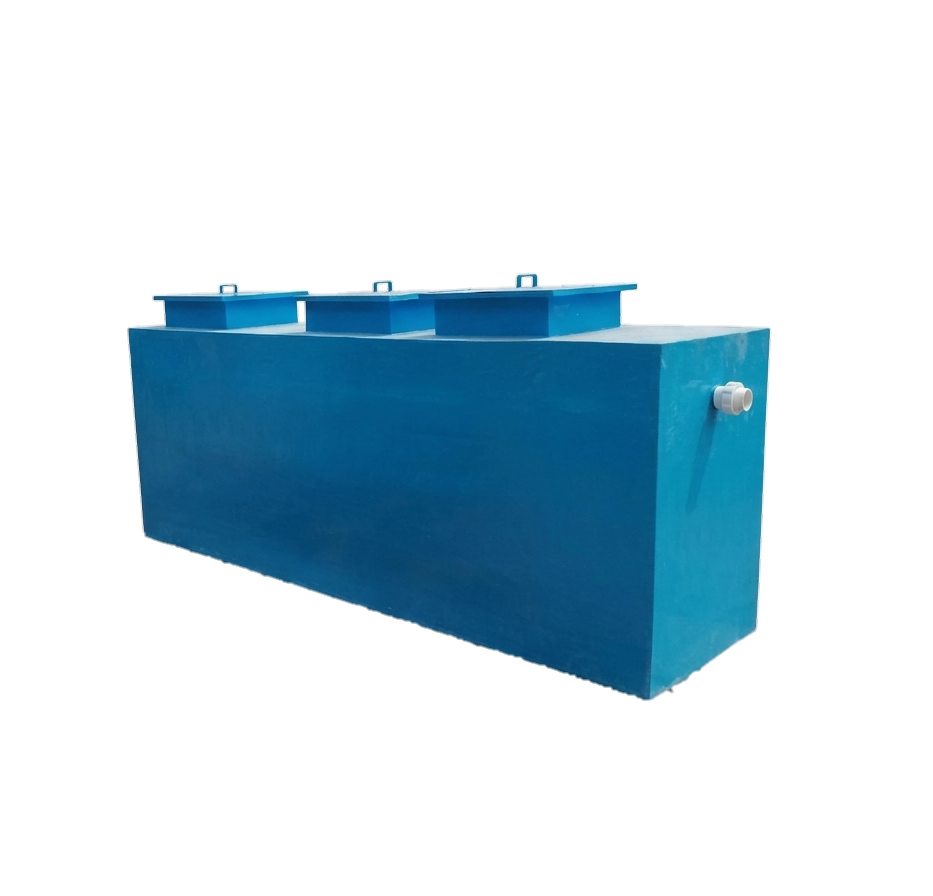 Grease Trap