Why maintenance matters
IPAL and STP operate as a process train. A blocked screen, failed pump, stopped blower, or excessive sludge can affect the next treatment stage. Routine maintenance helps identify problems while they are still small and keeps operation easier to monitor.
Daily or shift checks
Check inlet and outlet flow, unusual sounds or vibration, odors, the surrounding area, level indicators, leaks, and panel alarms if available. Record visible changes so the next operator knows the previous condition and can compare trends.
Screens and solids
Clean screens according to the load and do not allow debris to block the flow path. Educate users not to discharge cloth, excessive tissue, oils, chemicals, or solid objects into the drains. Use protective equipment and hygienic procedures when handling collected material.
Media and chamber condition
Observe the bio-filtration media, baffles, manholes, joints, and visible internal areas without putting the operator at risk. Color changes, excessive deposits, short-circuiting flow, or damaged components should be recorded and reviewed before cleaning or replacement.
Blowers, pumps, and panels
Check the power supply, cables, motor sounds, air pressure or flow, pump condition, valves, and panel indicators. Do not open panels or perform electrical work without competent personnel. Keep lubrication, component replacement, and inspection records for each item of equipment.
Sludge and desludging
Accumulated sludge can reduce effective volume and affect the process. Desludging frequency depends on load, design, and monitoring, so it should not be set from the calendar alone. Use a service provider familiar with sludge handling and document the date and condition of each service.
Signs that need technical review
Increasing odors, slow flow, overflow, changed effluent appearance, frequent blower or pump trips, excessive foam, or unusual power use are signs to stop guessing and inspect the system. Do not mask symptoms by adding chemicals without understanding the cause.
Maintain an operating log
Record the date, operator, flow condition, equipment checks, screen cleaning, desludging, incidents, and corrective actions. An operating log helps the team identify failure patterns, prepare spare parts, and explain system history during service or capacity reviews.
Plan maintenance safely
Before working around chambers or confined spaces, complete the required risk assessment, energy isolation, ventilation, communication, and supervision under the project safety procedure. For work involving gases, electricity, confined spaces, or wastewater, use trained personnel and follow applicable HSE requirements.
Have a technical question about your project?
Consult via WhatsApp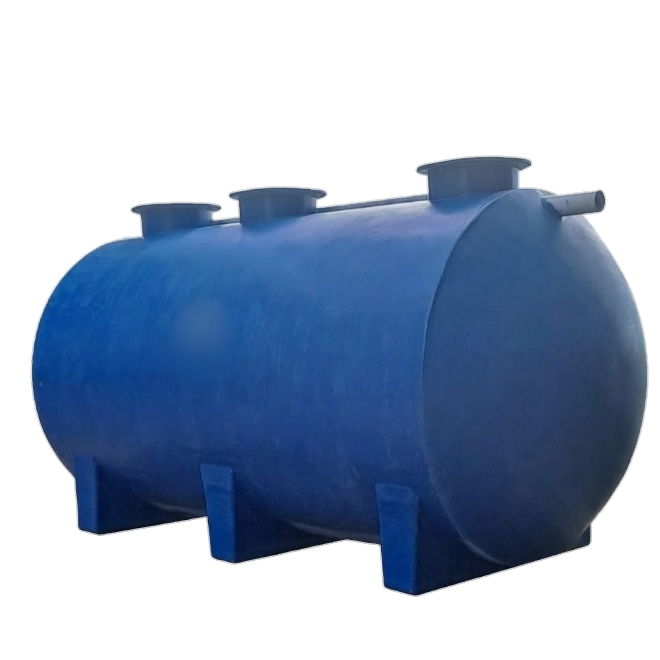 Communal IPAL
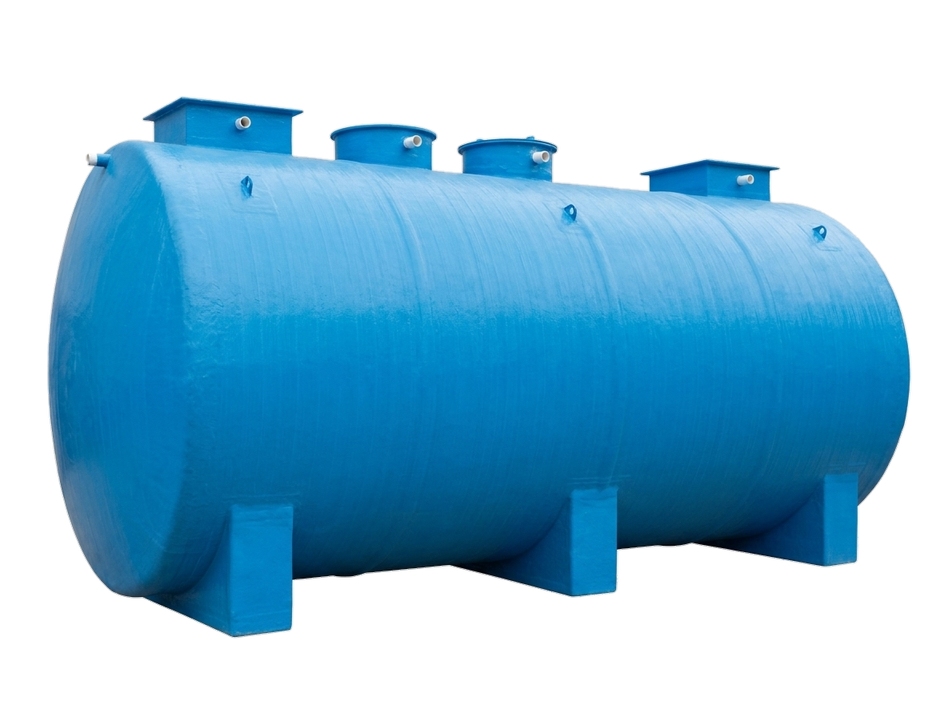 Anaerobic & Aerobic STP