Start with the wastewater source
Before comparing products, map the building type, number of users, operating hours, wastewater sources, and final discharge point. Domestic wastewater from housing, hotels, hospitals, public facilities, and commercial areas can have different flow patterns and loads, so capacity should not be based on building area alone.
What is a Communal IPAL?
A Communal IPAL is designed to treat wastewater from several homes or buildings together. Our system uses anaerobic bio-filtration with horizontal and vertical chamber options and components such as tube bio ball, honeycomb, and screens. The configuration should be matched to flow, user count, site conditions, and maintenance access.
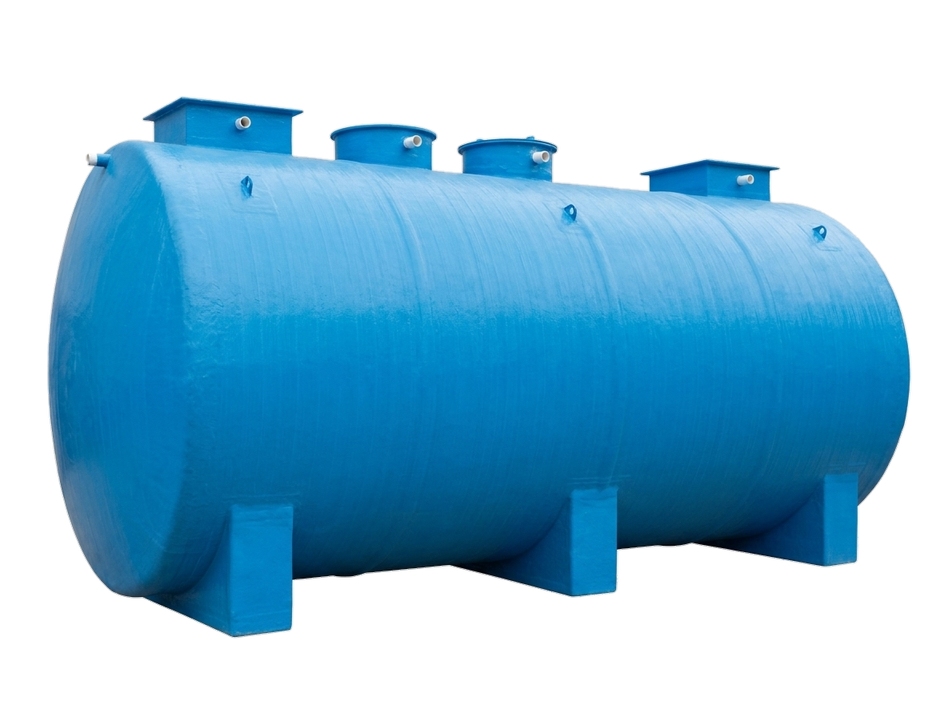
What is an Anaerobic-Aerobic STP?
An STP combines an anaerobic process, which operates without supplied oxygen, with an aerobic process that uses oxygen from a blower. The unit commonly includes a screen chamber, blower, pump, and control panel, so mechanical operation must be considered from the design stage.
Process and component differences
The main difference is not only the product name, but the process train, energy needs, mechanical components, and maintenance approach. Anaerobic IPAL can be practical for certain configurations, while an STP with an aerobic stage requires attention to the blower, pump, panel, power supply, and routine inspections. The final specification must still follow site conditions.
How to determine capacity
Prepare the number of occupants or users, estimated water use, occupancy pattern, peak flow, possible expansion, and activities inside the building. For hotels, hospitals, restaurants, and commercial areas, room count, beds, seats, staff, operating hours, and kitchen details help clarify the wastewater load. Our technical team can use this information to recommend a more appropriate capacity and configuration.
Site, access, and operation
Check site dimensions, delivery access, pipe elevations, power points, ventilation routing, and space for inspection and desludging when needed. Horizontal and vertical models can be selected according to the site shape, but both require safe access for manhole inspection, screen cleaning, and component maintenance.
Data checklist before consultation
Send the project type and location, user count, floor plan or site plan, estimated flow, site dimensions, inlet and outlet elevations, power point, and target installation date. If you have wastewater test results or requirements from a consultant or local authority, include them so the recommendation is not based on assumptions alone.
Conclusion
Communal IPAL and STP should not be selected only by price or physical size. The right system must consider wastewater load, treatment targets, site, energy, maintenance access, and the operating plan. Share your project data so we can recommend a suitable capacity and configuration.
Have a technical question about your project?
Consult via WhatsApp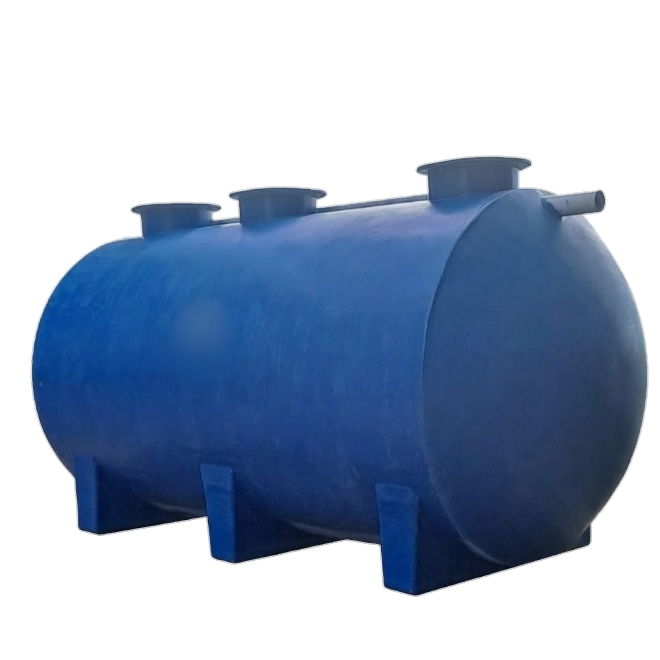 Communal IPAL
 Anaerobic & Aerobic STP