Why use FRP?
FRP fiberglass offers corrosion resistance, which is one reason it is used for industrial liquid storage. Mitra Tangki chemical tanks are available in vertical and horizontal models with filament-winding construction, but the material selection and final details must still match the liquid to be stored.
Check chemical compatibility
Do not describe the liquid only as “acid” or “alkali”. Share the chemical name, concentration, operating temperature, specific gravity, liquid form, storage duration, and any possibility of mixing or contamination. This information is important when reviewing the compatibility of the resin, liner, seals, gaskets, piping, and other accessories.
Determine volume and free space
Determine the working volume, filling and emptying pattern, reserve needs, and the free space required during operation. Avoid selecting capacity only from daily purchasing volume; consider delivery frequency, process expansion, and safe allowance so the liquid does not overflow during temperature or filling changes.
Vertical or horizontal model
A vertical model can save floor area by using available height, while a horizontal model may be suitable when building height is limited or the delivery route favors it. Also evaluate manhole and pipe positions, work platforms, spacing between tanks, and inspection access.
Connections, manholes, and instruments
Define the inlet, outlet, drain, overflow or vent, manhole, level indicator, ladder, and sampling points according to the process. Connection positions should be coordinated with pumps, piping, valves, bunds or spill-containment areas, and operator routes so inspection and operation remain practical.
Storage-area safety
Prepare a stable area, suitable ventilation, chemical labels, controlled access, safe drainage, and a spill-response plan based on the liquid characteristics. For hazardous substances, coordinate the design with the site HSE lead, process consultant, and applicable local requirements.
Inspection and maintenance
Create a visual inspection schedule for the body, joints, seals, manhole, support, piping, valves, and surrounding area. Record discoloration, cracks, seepage, odors, corrosion on metal components, or shape changes. The tank must be emptied and cleaned using a safe procedure before internal inspection.
Information to provide when ordering
Share the chemical name and concentration, temperature, working volume, specific gravity, preferred model, installation position, available area, connection type, accessories, and project standards or requirements. The more complete the data, the easier it is to review the tank specification before fabrication.
Have a technical question about your project?
Consult via WhatsApp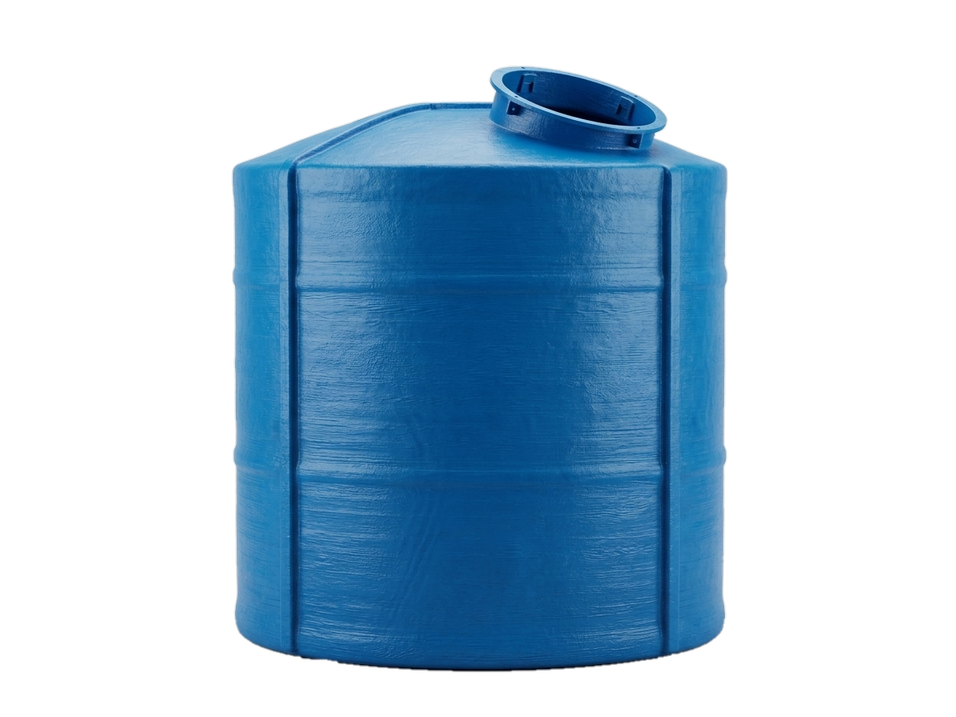 Chemical Storage Tank